News · AK
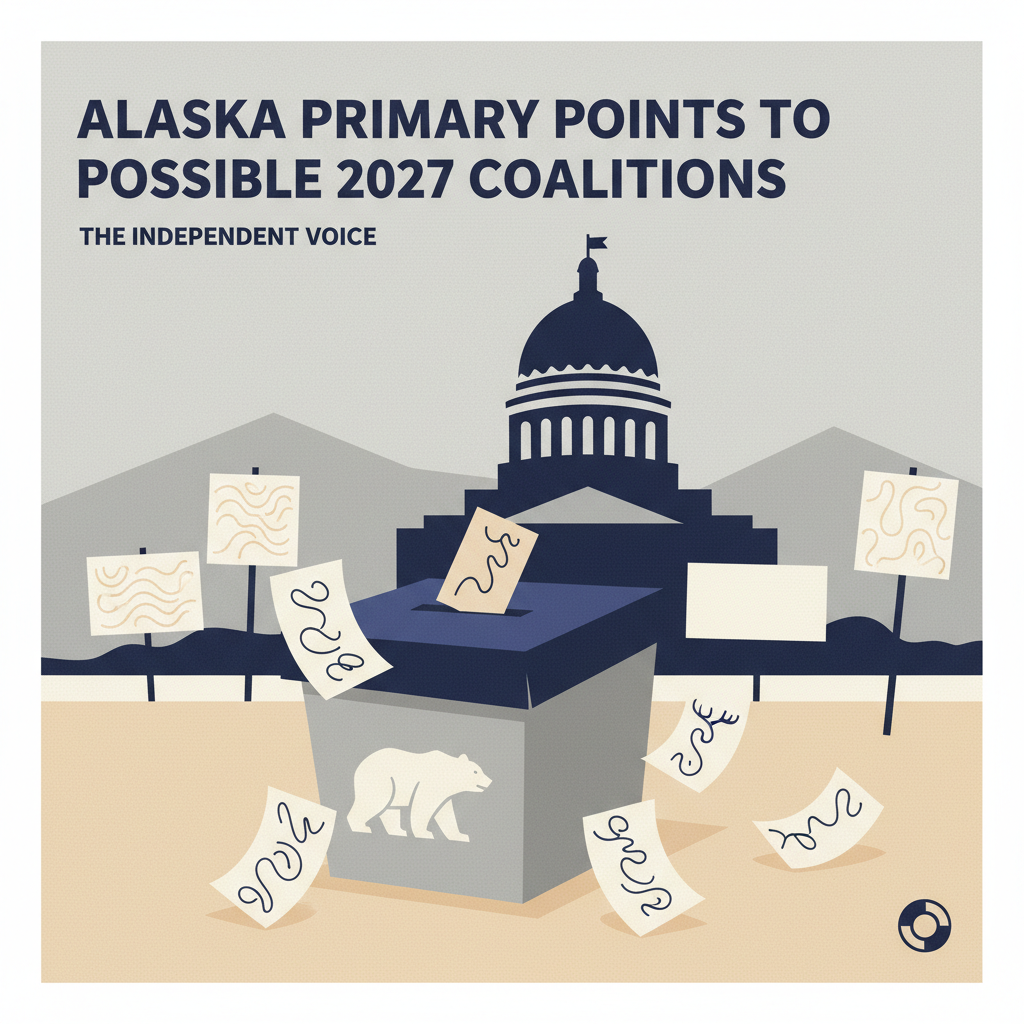
Alaska primary points to possible 2027 coalitions
Elections and votingPrimary results have focused attention on whether coalitions will organize both chambers of the Alaska Legislature in 2027.
The Ballot Alaska News DeskSep 2, 2026
News · Elections and voting · Alaska
Alaska has approved the use of baby boxes through a bill expanding the state’s Safe Haven policy.
Key takeaways
Alaska has approved the use of baby boxes through a bill expanding the state’s Safe Haven policy. The action adds another legally recognized option within that policy and establishes state authorization for the boxes.
The development concerns state policy rather than an election, ballot measure or candidate contest. No political race is directly linked to the change, and there are no candidate positions at issue.
The central change is narrow: baby boxes are now included in Alaska’s Safe Haven framework. The final bill text is the primary record for determining the exact scope of that authorization, including any conditions attached to the use or operation of the boxes.
The approval establishes that Alaska will permit baby boxes under its expanded policy. Practical questions—including where boxes may be located, which organizations may operate them and what standards apply—turn on the law’s specific language and any instructions issued by state officials.
Those details matter because legislative approval and day-to-day operation are separate parts of the process. Approval creates the legal authority. Implementation puts that authority into practice through timelines, standards, responsibilities and public information.
Alaskans following the change should look to the final version of the bill for definitions and requirements. Any subsequent state guidance would explain how the policy will be administered and how affected organizations are expected to comply.
This action did not directly decide an election or ask voters to approve a statewide ballot question. It is a state policy development carried out through the legislative process.
For first-time voters, the distinction is important. A bill changes state policy through action by public officials, while a ballot measure goes directly before voters. Although this Safe Haven expansion may become part of broader public debate, no candidate race is attached to the approval itself.
The official record is also the best place to separate the bill’s legal requirements from broader arguments about the policy. The key questions are what the final measure authorizes, when it takes effect and which state or local entities have responsibilities under it.
Attention now turns to implementation. The next public steps may include publication of the final measure, identification of an effective date and guidance explaining how the authorization will work in practice.
State communications may also clarify whether organizations must receive approval before installing or operating a baby box, what standards apply and which office oversees compliance. Those details will determine how the policy moves from legal authorization to use in Alaska communities.
The implementation record will be important for residents, health and public-safety organizations, and any institutions considering participation. It will show the procedures established under the expansion and identify where Alaskans can find official information about the policy.
What to watch
Was this useful?
News · AK
Primary results have focused attention on whether coalitions will organize both chambers of the Alaska Legislature in 2027.
News · NE
The Nebraska Supreme Court turned aside another challenge to the medical marijuana law approved by Nebraska voters.

News · TX
The Texas Supreme Court ruled that Galveston County’s new district maps cannot be used for the November election.
News · US
The message casts Muslim Democrats as leading political adversaries without tying the appeal to a particular candidate, race or policy dispute.