News · US
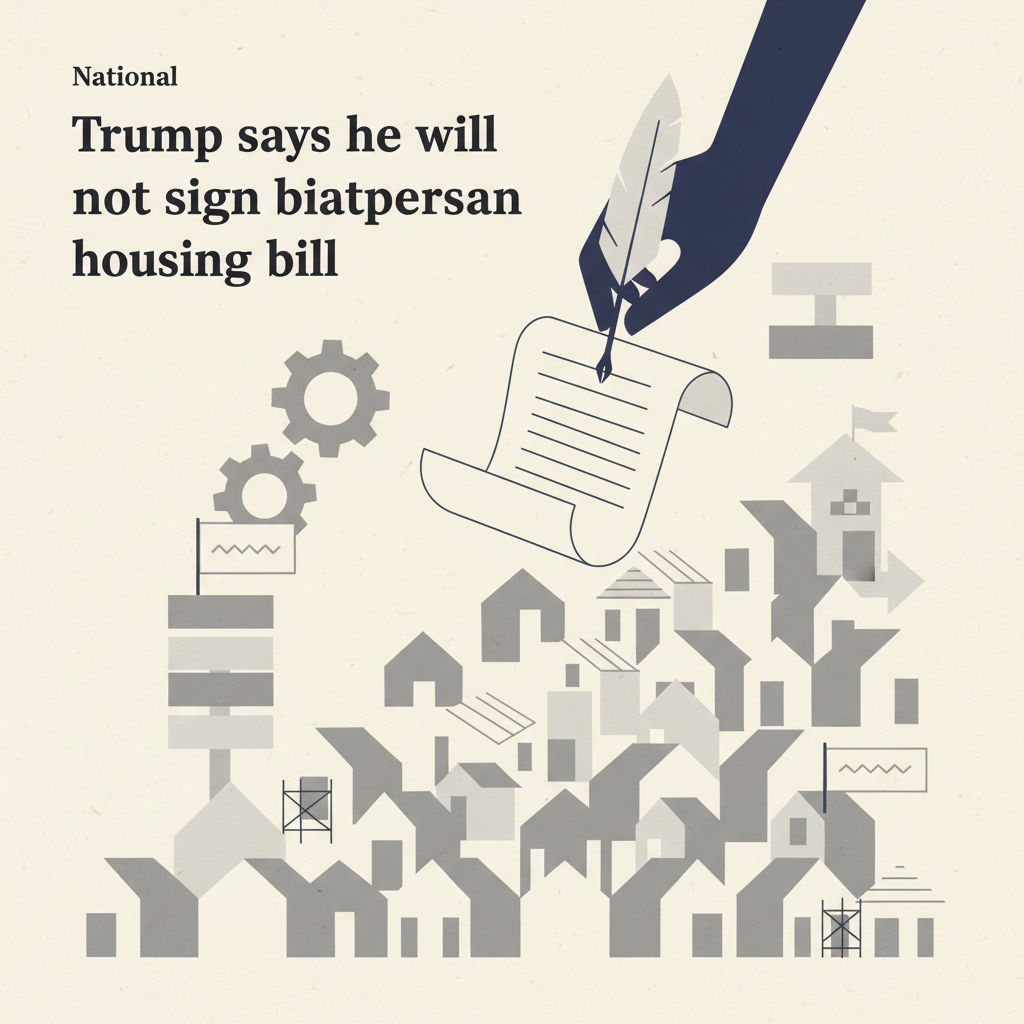
Trump says he will not sign bipartisan housing bill
Trump said he would not sign a bipartisan housing measure but stopped short of explicitly threatening a veto.
The Ballot National (US) Policy DeskAug 21, 2026
News · National (US)
A new report points to a tense campaign period in Nigeria, but no specific election, candidates or policy disputes are identified.

Key takeaways
Nigeria is preparing for another election campaign described as heated, placing attention on the tone of the coming political contest. A RANE Worldview report listed by Google News frames the development as another intense campaign period for the country.
The development is not connected to a named election or individual race. It also does not identify candidates, parties, an election date or a campaign timetable. Without those details, the immediate news is about the expected campaign atmosphere rather than a formal contest between named people.
The word “heated” describes the expected intensity or tone of a campaign. It does not, by itself, identify the reasons for that intensity. No particular policy dispute, campaign event, public statement or disagreement is attached to the description.
It also does not indicate how voters view any candidate or issue. The characterization is not a poll, an election result or a measure of campaign support. It offers no basis for judging who may have an advantage, and it does not support a prediction about the outcome.
For voters, the key distinction is between a broad description of a campaign and formal election information. A statement about campaign intensity cannot substitute for an official timetable, a list of qualified candidates, voting rules or other election records.
No candidates are directly linked to this development. That means there are no documented campaign positions, endorsements, fundraising figures or candidate statements to compare.
The absence of a named contest also limits what can be said about the campaign’s structure. There is no identified office at stake, no stated stage of the election process and no vote tally. Describing the campaign as heated should not be read as establishing any of those details.
Until a specific race and its participants are identified, the story remains centered on Nigeria’s broader political environment. Claims about what a candidate supports, opposes or plans would require direct statements or official campaign records tied to that person.
The next meaningful developments would be records that define the election itself. Those could include the name of the office being contested, the election date, candidate filings and an official campaign calendar. Such records would turn a broad description into a contest voters can evaluate in concrete terms.
Candidate statements would also clarify whether the campaign’s intensity centers on policy, election administration, political alliances or another subject. Until those positions are documented, no issue can fairly be presented as the campaign’s central dividing line.
Voters should distinguish campaign language from official instructions. Practical information about registration, polling places, identification requirements, ballot access and result certification should come from the election authorities responsible for those steps. Campaign messages and political analysis serve a different purpose and do not set voting procedures.
Election coverage can shape public expectations before candidates or schedules are formally established. Clear boundaries help prevent a description of political tension from being mistaken for a fact about voter support or the eventual result.
For now, the confirmed development is narrow: Nigeria is bracing for another campaign expected to be intense. The identity of the election, its participants, its timetable and its policy stakes remain to be established through named records and public campaign activity.
What to watch
Was this useful?
News · US
Trump said he would not sign a bipartisan housing measure but stopped short of explicitly threatening a veto.

News · US
An import-related development involving unmanned aircraft systems has emerged, but the United States has not publicly specified what is changing or released the primary document explaining the action.
News · US
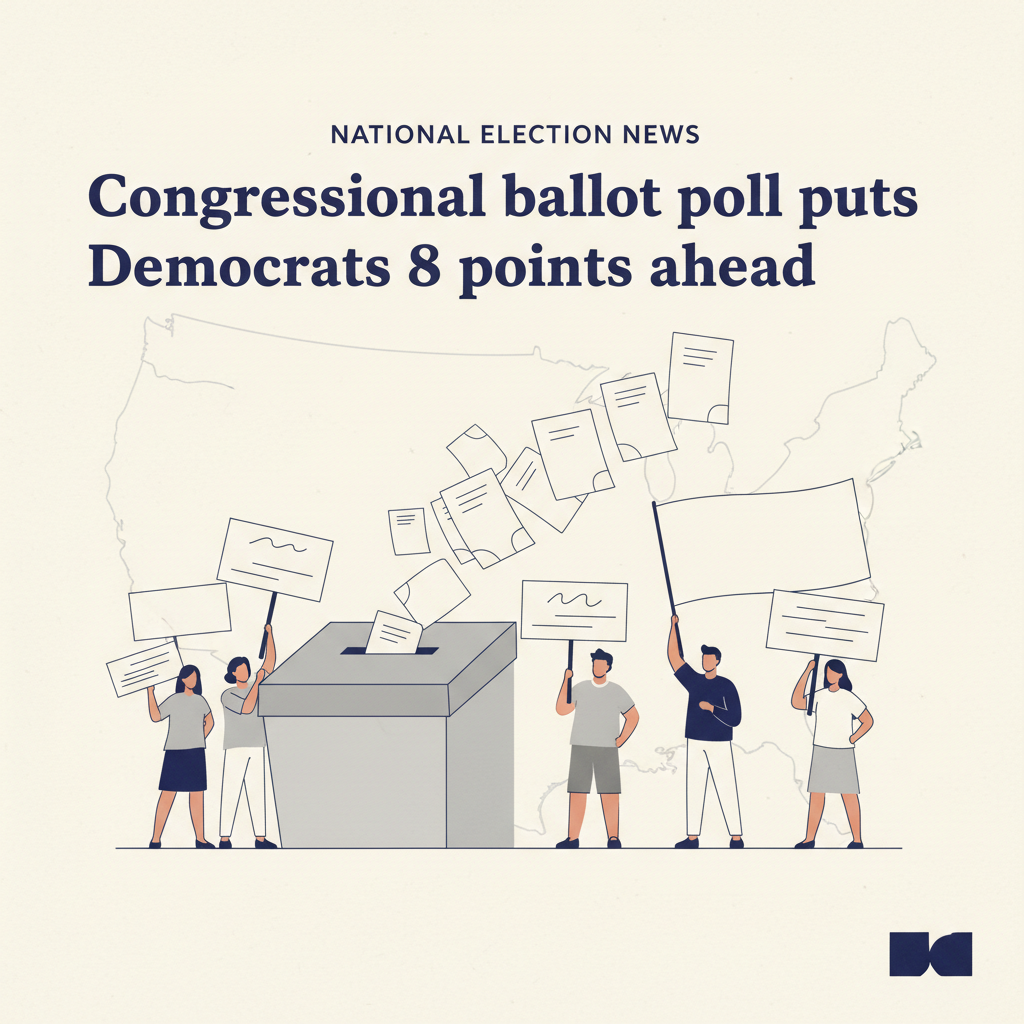
A new poll reported by The Hill places Democrats eight points ahead of the GOP on the congressional ballot.
News · US
A congressional ballot poll puts Democrats eight points ahead of Republicans. The Hill did not name the pollster or report the survey’s methodology or individual party percentages.