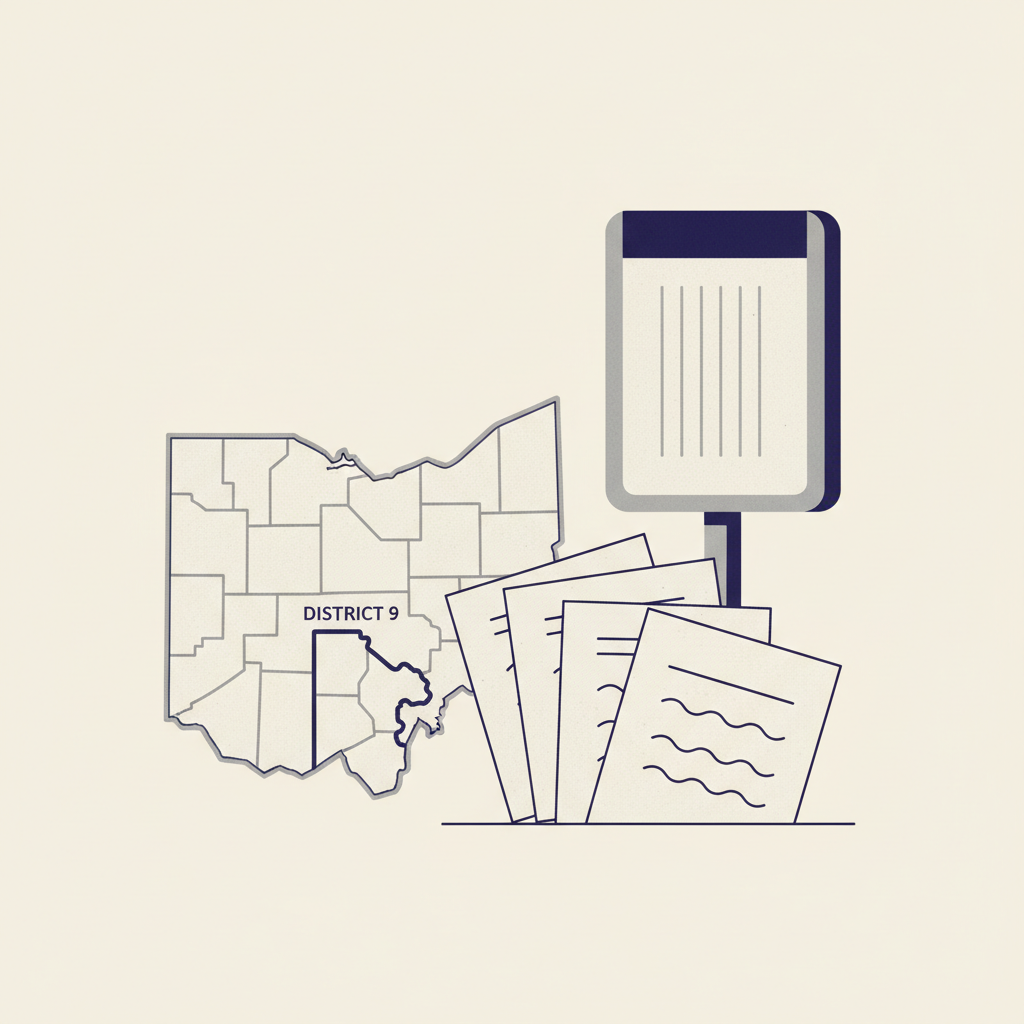
Seven episodes from the November midterm campaign drew criticism for moving beyond the normal friction of an election. In closely contested battleground races, campaigns mixed forceful policy exchanges with personal attacks. One of the moments involved a controversial campaign advertisement in Ohio. Another occurred during a debate, when a candidate told an opponent to “shut up.”
The command turned a face-to-face political exchange into a personal rebuke, while the Ohio incident put the focus on a message crafted for voters. Both became examples of conduct criticized as exceeding the bounds of a hard-fought campaign.
Policy disputes and personal attacks
Election campaigns often feature fiery arguments over public policy and criticism of an opponent’s record or character. The seven episodes stood out not simply because the races were competitive, but because the language or presentation was criticized as going too far.
That distinction matters in a midterm election: A policy exchange concerns choices in government, while a personal attack shifts attention toward the people seeking office. The Ohio advertisement and debate-stage remark represent two different channels for that escalation. An advertisement is a prepared campaign message; a debate exchange happens as candidates confront each other directly.
In both cases, criticism centered on the way the campaign was conducted rather than on a documented policy disagreement. The episodes became part of a campaign-season argument over how candidates address voters and speak to opponents.
What to watch
•Whether campaigns release more attack-focused advertisements
•How debate moderators handle personal exchanges
•Whether candidates respond to criticism of campaign conduct