Full profile
West Virginia’s U.S. House District 1 race has drawn eight candidates ahead of the Nov. 3, 2026, general election. The field consists of three Democrats, four Republicans and one independent.
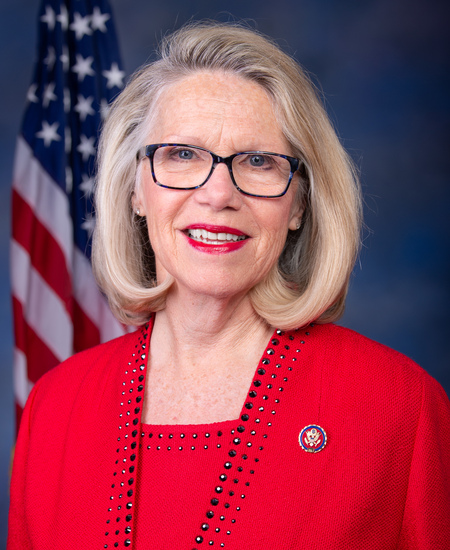
Republican Carol Devine Miller is the incumbent. The other seven candidates are seeking the same District 1 seat, making this a contested election rather than an uncontested race.
Candidates in the race
- David Wayne Sartin, Democrat: Sartin is one of three Democrats running for the District 1 seat. He shares the Democratic field with Britta Aguirre and Vincent Raymond Mr. George.
- Britta Aguirre, Democrat: Aguirre is one of three Democrats running for the District 1 seat. She shares the Democratic field with David Wayne Sartin and Vincent Raymond Mr. George.
- Vincent Raymond Mr. George, Democrat: George is one of three Democrats running for the District 1 seat. He shares the Democratic field with David Wayne Sartin and Britta Aguirre.
- Larry Jackson, Republican: Jackson is one of four Republicans running for the District 1 seat. He shares the Republican field with Jonathan Derrick Evans, Carol Devine Miller and Abel Edward MR Clendenen.
- Jonathan Derrick Evans, Republican: Evans is one of four Republicans running for the District 1 seat. He shares the Republican field with Larry Jackson, Carol Devine Miller and Abel Edward MR Clendenen.
- Carol Devine Miller, Republican: Miller is the incumbent and one of four Republicans in the District 1 race. She shares the Republican field with Larry Jackson, Jonathan Derrick Evans and Abel Edward MR Clendenen.
- Abel Edward MR Clendenen, Republican: Clendenen is one of four Republicans running for the District 1 seat. He shares the Republican field with Larry Jackson, Jonathan Derrick Evans and Carol Devine Miller.
- Isaiah Patrick MR Rucker, independent: Rucker is running as an independent rather than with the Democratic or Republican fields. He is the only independent among the eight named candidates in the race.
How the field is divided
The Democratic field includes Sartin, Aguirre and George. The Republican field includes Jackson, Evans, Miller and Clendenen. Rucker is running independently.
That structure creates competition within both major-party groups as well as competition across party lines in the broader District 1 race. Miller’s place in the field also means the contest includes a sitting officeholder and seven other candidates seeking the seat.
Party labels tell voters how each candidate is affiliated in this race. They do not, by themselves, explain how the candidates would approach issues before Congress. No candidate policy positions are documented in this race preview, so no issue-by-issue comparisons can be made here.
What makes the race contested
A race is contested when more than one candidate seeks the office. District 1 clearly meets that description, with eight candidates identified across three political affiliations.
The number of candidates is not evenly divided by affiliation. Republicans have four candidates, Democrats have three and independents have one. The field therefore involves both questions about the Democratic and Republican candidate groups and a general-election contest that includes an independent candidate.
No result can be determined from the size of a candidate field or from incumbency alone. Voters will make their choice in the general election scheduled for Nov. 3, 2026.
What voters should watch
The central process question is which candidates appear on the final general-election ballot. Changes to the Democratic or Republican fields would alter the choices within those party groups, while any change involving the independent candidacy would affect the broader field.
Voters can also watch for candidates to describe their priorities and positions as the election approaches. Those details will allow comparisons that party affiliation and incumbency alone cannot provide.