
News · US
Cruz hears jeers while promoting college sports bill
EducationCruz faced jeers on ESPN’s College GameDay while advocating for a Senate proposal concerning college sports.
The Ballot National (US) News DeskSep 14, 2026
News · Economy and jobs · National (US)
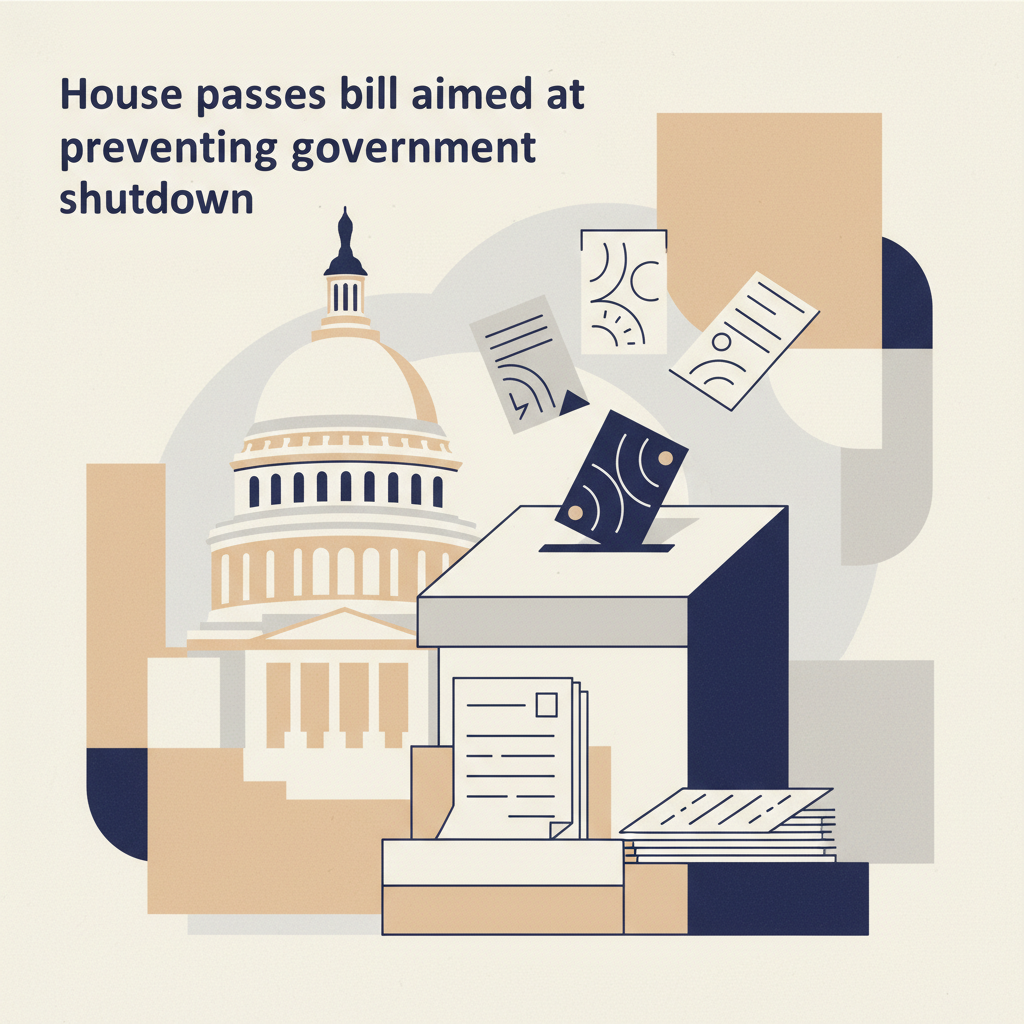
The House approved a government funding measure intended to prevent a shutdown ahead of the midterm elections.
Key takeaways
The U.S. House passed a government funding bill intended to prevent a shutdown before the midterm elections. The action put the House on record in support of the measure and placed government funding on the federal agenda as the election approached.
The development concerns the operation of the federal government rather than a particular campaign. No candidate or individual election is directly connected to the House action.
House members approved a bill dealing with government funding. Its stated purpose was to avert a shutdown, making continued federal funding the central issue in the vote.
Passing the bill means the measure cleared the House. That is the specific action taken: one chamber of Congress agreed to the funding legislation. The House vote does not, on its own, describe every part of the broader process or establish the timing of any action beyond the chamber.
The distinction matters for readers following the federal government. A shutdown is the outcome the legislation seeks to prevent. House passage is the legislative action taken toward that goal. Those are connected, but they are not the same event: the vote approved the measure in the House, while avoiding a shutdown depends on the funding measure advancing beyond that vote.
The House acted before the midterm elections, putting government funding before lawmakers during an active election period. That timing connects the development to the national political calendar, but it does not make the legislation part of a specific candidate race.
Midterm elections determine seats in Congress, while this vote addressed federal funding. The two events therefore occupy the same period but serve different civic functions. Voters may hear the House action discussed during the election season, yet the vote itself is a governing decision rather than an election result.
No candidate positions are attached to this development.
The clearest result is that the funding bill passed the House. It also establishes that preventing a shutdown was the purpose attached to the measure.
The action does not establish how any individual election will turn out. It also does not identify a campaign beneficiary or connect the bill to a named candidate. Any assessment of the measure’s full effect depends on what happens after House passage.
For first-time voters, the key distinction is between lawmaking and campaigning. Members of Congress take votes as part of governing, including votes involving federal funding. Elections determine who holds office. A major congressional vote can occur close to an election without becoming an election decision itself.
The next markers are whether the funding measure advances beyond the House and whether the government-shutdown outcome it was designed to prevent is avoided. Formal congressional records can also document the measure and the House’s action.
The immediate fact remains limited and clear: the House passed the funding bill before the midterm elections. Further action on the measure, rather than the election calendar alone, will determine whether it completes the federal process described by its shutdown-prevention goal.
What to watch
Was this useful?
News · US
Cruz faced jeers on ESPN’s College GameDay while advocating for a Senate proposal concerning college sports.

News · US
Each White House assertion must be checked separately against legislation, official actions, data and the full context of public remarks.
News · US
The House approved a short-term measure intended to keep the federal government funded and avoid a shutdown before the election.

News · US
The House approved short-term federal funding intended to prevent a government shutdown before the election.