
News · US
Cruz hears jeers while promoting college sports bill
EducationCruz faced jeers on ESPN’s College GameDay while advocating for a Senate proposal concerning college sports.
The Ballot National (US) News DeskSep 14, 2026
News · Elections and voting · National (US)
The House has one week in session to address a bill that would extend government funding past the midterm elections.
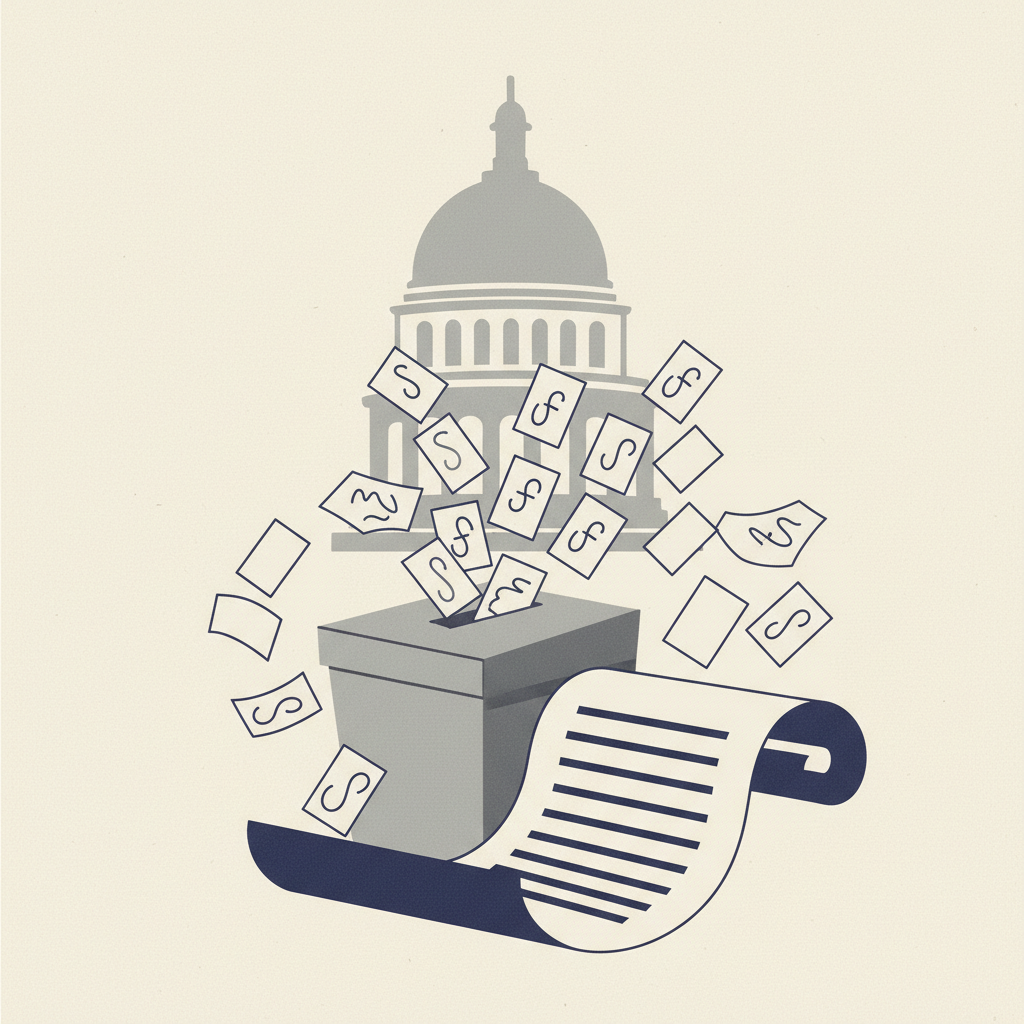
Key takeaways
The House returns from recess Monday for one week, and government funding will be at the center of its agenda. The chamber is set to focus on a bill that would extend funding past the midterm elections before members head home again.
The short session gives the House a limited period to address the funding measure. Its position at the top of the agenda establishes it as the chamber’s first major item of business, although being on the agenda is separate from completing action on a bill.
The bill’s central purpose is to extend government funding beyond the midterm elections. That would move the funding timeline past the election period rather than leave the issue for the weeks immediately surrounding the vote.
The key feature is the length of the extension: It would carry funding beyond the midterms. The measure is therefore focused on timing, allowing government funding to continue for an additional period.
The proposal concerns congressional funding responsibilities rather than a particular candidate or election contest. No federal race or candidate is directly tied to the House’s consideration of the measure.
The House is returning for only one week before members depart again. That schedule puts a clear boundary around the chamber’s immediate work period and makes the order of business especially important.
Placing the funding bill first does not by itself amount to House approval. It means the measure is the leading item awaiting attention during the week. Formal House action on the legislation would be a separate step.
The one-week session also separates two different timelines: the House’s immediate window for work and the longer funding extension proposed by the bill. The chamber will be in session briefly, while the measure is designed to carry government funding past the midterm elections.
The immediate question is how the House handles the funding extension during its return. The agenda identifies the measure as the chamber’s top task, making its progress the central procedural issue of the week.
The length of the House session does not determine the duration of the proposed extension. One describes how long members will be back before leaving again; the other describes how far the legislation would extend government funding.
That distinction matters for following the process. Returning Monday begins the House’s work period, while placing the bill on the agenda sets a priority. Any formal action on the measure would mark the next stage.
Attention will turn to the bill’s terms, the House schedule and any formal action taken during the week. Those steps will show how the chamber moves from listing the funding extension as its top priority to considering the measure itself.
The midterm elections provide the bill’s stated timing marker. The legislation is intended to move government funding beyond that point, while the House’s immediate task is to address it before members leave after their one-week return.
What to watch
Was this useful?
News · US
Cruz faced jeers on ESPN’s College GameDay while advocating for a Senate proposal concerning college sports.

News · US
Each White House assertion must be checked separately against legislation, official actions, data and the full context of public remarks.
News · US
The House approved a short-term measure intended to keep the federal government funded and avoid a shutdown before the election.
News · US
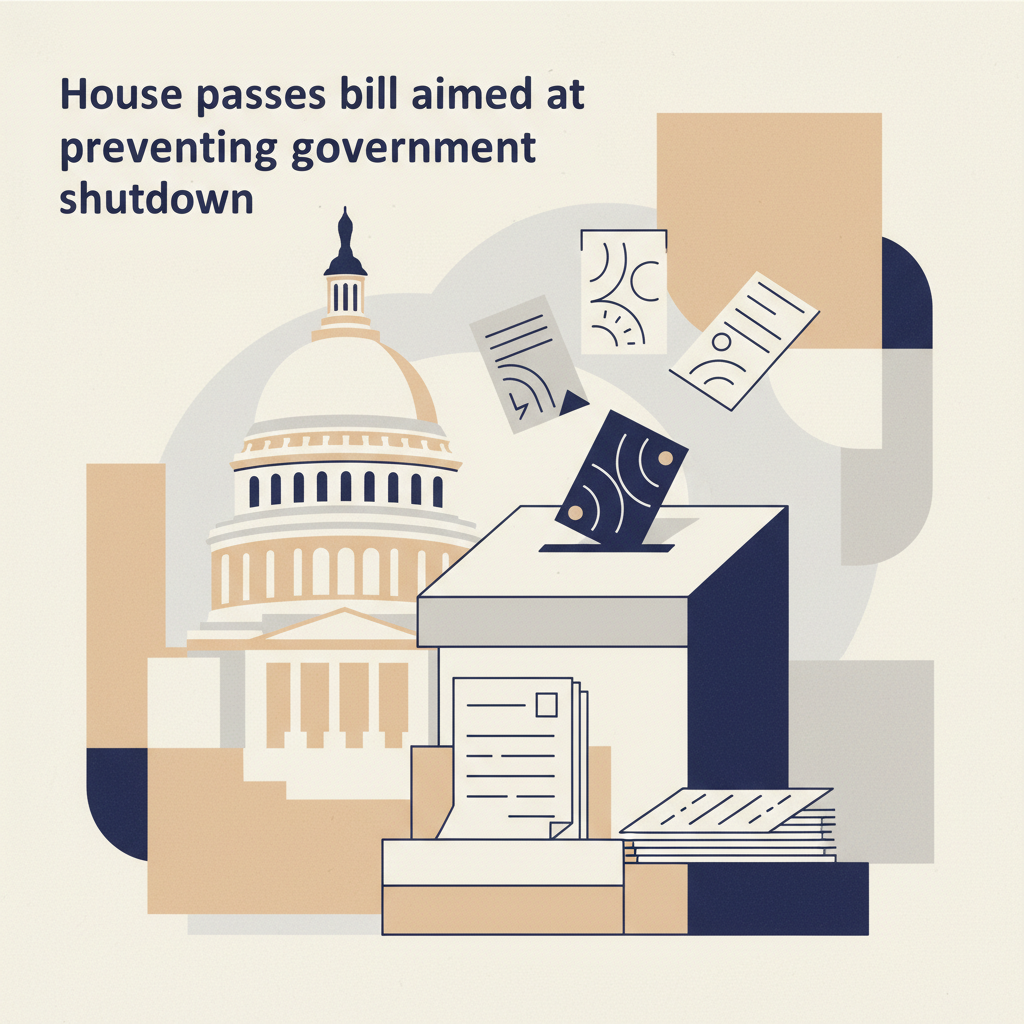
The House approved a government funding measure intended to prevent a shutdown ahead of the midterm elections.